Anti-lag systems have become synonymous with the explosive, rapid-fire sounds of turbocharged motorsport. Designed to keep the turbo spinning even when the driver lifts off the throttle, anti-lag eliminates the delay typically associated with turbo spool-up. This allows drivers to benefit from instant power delivery when re-applying the throttle, making the system particularly valuable in rallying and other disciplines where sharp throttle response can significantly influence performance.
While anti-lag is undeniably effective on the stage or circuit, it is a highly specialised technology with both advantages and drawbacks. Understanding these is essential for anyone considering anti-lag in a performance or motorsport build, as the demands it places on engine components make it unsuitable for many road applications. This blog examines the benefits and limitations of anti-lag and compares its performance across various racing and street environments.
In our 40+ years of experience working with the most competitive teams in the business, whether it be Formula One, WRC, or Le Mans, we explain the pros and cons of anti-lag below, so one can thoroughly weigh up the anti-lag benefit in motorsport.
What Anti-Lag Systems Do
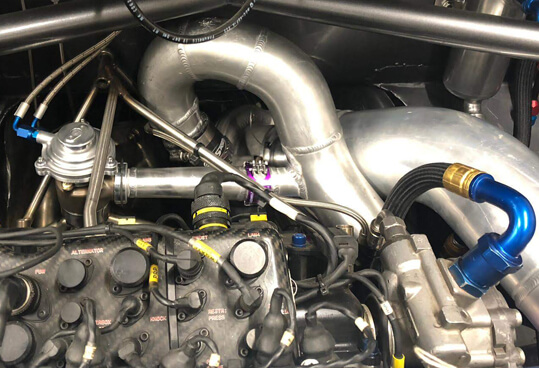
Anti-lag systems work by maintaining turbocharger speed when the throttle closes. Lifting off the throttle naturally reduces exhaust flow, slowing the turbo and dropping boost pressure. Anti-lag counters this by manipulating air, fuel, and ignition timing to create combustion within or near the exhaust manifold. This then, generates pressure that keeps the turbine spinning.
Many systems introduce additional air around the throttle plate. In contrast, others retard ignition timing; thus allowing combustion to occur later and produce the rapid, high-energy pulses needed to sustain turbo speed. The result is a turbo that remains active all the time, so during gear changes and cornering. This means the engine is always ready to deliver full boost instantly. This makes anti-lag particularly valuable in competitive settings where throttle response must be as sharp as possible.
Benefits of Anti-Lag
The primary benefit of anti-lag is the reduction and/or elimination of turbo lag. This provides drivers with immediate access to boost when they reapply the throttle. This improves vehicle responsiveness especially in rallying, where frequent braking and accelerating would otherwise cause the turbo to slow repeatedly. Anti-lag enables teams to run larger turbochargers without compromising low-speed response. Thereby significantly increasing potential power output. The system also provides more consistent throttle behaviour. This gives drivers greater confidence when navigating technical terrain or maintaining control on loose surfaces. In time-critical environments, even minor improvements in spool-up time can result in significant performance gains. As a result, anti-lag has become a defining feature of high-level turbo motorsport and remains one of the most essential technologies for enhancing real-world performance on the stage, track or circuit.
Drawbacks of Anti-Lag
Despite its benefits, anti-lag comes with several major drawbacks, the most significant being the extreme thermal load it places on engine components. Because anti-lag creates combustion events within the exhaust manifold or turbine housing, exhaust gas temperatures can exceed levels commonly seen even under full boost. This accelerated heat cycle places intense stress on turbochargers, manifolds, valves, and downpipes. Something which significantly increases wear. In some systems, the turbo's lifespan can be dramatically reduced. Fuel consumption also rises sharply because anti-lag requires additional fuel to generate the pressure pulses required.
The characteristic pops and bangs produced by anti-lag, while iconic, are symptoms of the violent combustion happening within the exhaust tract, which is far from ideal for everyday driving. Noise levels are excessive, emissions increase, and maintenance intervals are shortened significantly. For these reasons, anti-lag is rarely recommended for street vehicles. It’s hardware requirements, combined with its aggressive operating characteristics, make it a motorsport-only technology for most users.
Race vs Street Applications
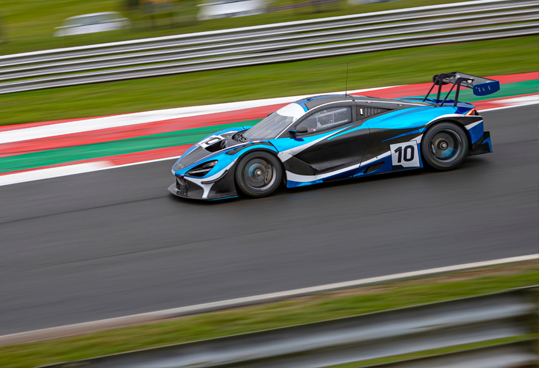
In race environments, the trade-offs associated with anti-lag are acceptable because performance is the top priority. Rally teams, for example, regularly rebuild engines and turbos so that the additional wear caused by anti-lag is manageable. The improved throttle response can be worth up to 2 seconds per stage, therefore giving drivers a competitive edge. On the street, however, the disadvantages can outweigh the benefits. Running anti-lag daily would lead to rapid turbo degradation, increased fuel costs, and significant noise—none of which are practical in normal driving conditions. Additionally, most road-car ECUs and emissions systems are not designed to cope with the extreme conditions created by anti-lag. While it is technically possible to run milder forms of anti-lag in a street build, reliability concerns make it unsuitable for anything other than occasional use.
Alternatives for Street Use
For road cars seeking sharper throttle response, there are safer and more sustainable alternatives to anti-lag. Improving turbo spool can be achieved using modern ball-bearing turbochargers, lightweight turbine wheels, optimised intercooler piping, and well-calibrated boost control strategies. Electronic throttle mapping can also improve responsiveness without affecting mechanical components. For drivers seeking a near-instant boost without the drawbacks of anti-lag, a properly configured rolling boost or pre-spool strategy may offer a compromise, providing some additional response without reaching the extreme temperatures associated with true motorsport anti-lag. These options enable enthusiasts to enjoy improved drivability while avoiding the heavy wear, noise, and heat stress associated with traditional anti-lag systems.
Anti-lag delivers extraordinary performance benefits in motorsport. However, the extreme heat, noise, and mechanical stress associated with the system make it unsuitable for most street applications. While invaluable in rally and other competitive settings, anti-lag comes with apparent compromises that must be understood before implementation. For road cars, alternative methods of improving turbo response offer safer, more reliable gains. Ultimately, anti-lag remains a specialised technology designed to maximise performance where outright speed matters more than long-term durability or comfort.
DSPS offer many types of anti-lag products that can benefit your engines. From single-port anti-lag valves to 3-lug ASL valves, we can help provide you with championship-winning products. Get in touch with us for more information.